
 Deutsch
 Lietuvių
 Latviešu

Why Sweet Drop CBD?

Cannabidiol (CBD) is a naturally occurring compound found in the cannabis plant. It has been used for centuries for its medicinal properties. In recent decades, hundreds of scientific studies have been conducted to investigate the health benefits, toxicology, and other aspects of CBD.
CBD is a safe and non-addictive substance. It is one of over 100 “phytocannabinoids,” which are unique to the cannabis plant. These compounds interact with the endocannabinoid system, which is a network of receptors found throughout the body. The endocannabinoid system plays a role in regulating a variety of bodily functions, including pain, inflammation, mood, and appetite.
CBD has been shown to have a wide range of potential health benefits, including:
- Reducing pain and inflammation
- Improving anxiety and depression
- Easing sleep problems
- Reducing seizures
- Slowing the progression of Alzheimer’s disease
- Reducing the risk of cancer
The endocannabinoid system (ECS) is a biological system that helps to maintain bodily homeostasis, or balance. Endocannabinoid system was discovered in the 1990s, and scientists have since learned that it is involved in a wide range of functions, including:
- Pain regulation
- Inflammation control
- Mood and anxiety
- Sleep
- Appetite
- Memory and learning
- Immune function
- Reproduction
- The ECS is made up of three main components: endocannabinoids, receptors, and enzymes.
Endocannabinoids are molecules that are produced by the body. They bind to cannabinoid receptors, which are found on cells throughout the body.
Receptors are proteins that bind to endocannabinoids. When an endocannabinoid binds to a receptor, it activates the receptor and sends a signal to the cell.
Enzymes break down endocannabinoids after they have been used.
The ECS is thought to play a role in maintaining homeostasis by sending signals to cells to adjust their activity in response to changes in the environment. For example, when we experience pain, the ECS releases endocannabinoids that bind to receptors in the pain pathway. This reduces the pain signal and helps us to feel better.
The ECS is an incredibly old system, and it is present in all vertebrates, including mammals, birds, reptiles, amphibians, and fish. This suggests that it is essential for life.
The ECS is a complex system, and scientists are still learning about how it works. However, it is clear that it plays a vital role in maintaining our health and well-being.
*Source uclahealth.org
TRY OUR PRODUCTS !
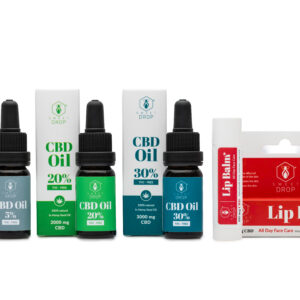


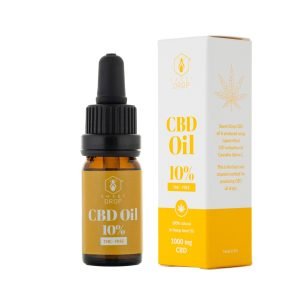
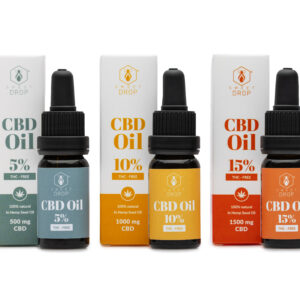
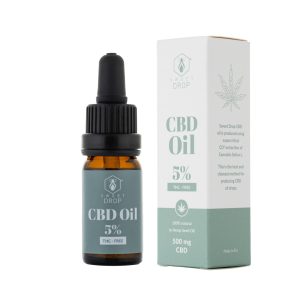

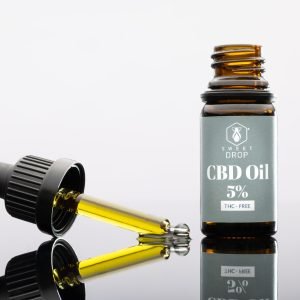
All products
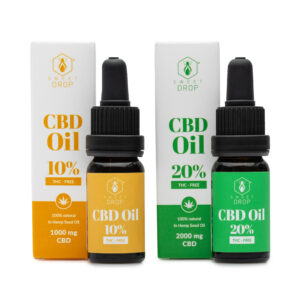
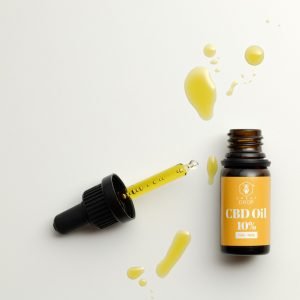
All products


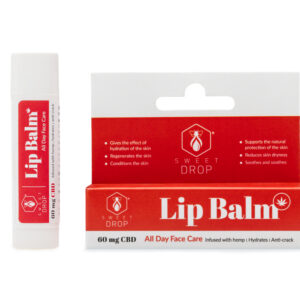
All products

All products
OR READ MORE

National Food and Veterinary Risk Assessment Institute (NMVRVI): ISO/IEC 17025 Testing Behind Sweet Drop CBD Batch Quality
When customers choose wellness and personal-care products, quality and transparency matter. In Lithuania, one of [...]
Apr

Quality
What Ensures CBD Oil Quality in Lithuania? A Look at the NFVRAI (NMVRVI) Laboratory When [...]
Feb

CBD for Skin: What Does Science Say? (A Comprehensive Review)
CBD in Dermatology: The Science Behind the Skincare Revolution Is CBD (cannabidiol) just a beauty [...]
Feb
Cannabinol (CBN): Uses and Scientific Insights
Cannabinol (CBN): What It Is, How It Forms, and What Research Is Exploring CBN (cannabinol) [...]
Jan
The Historical Use of Cannabis and Cannabinoids
Cannabis has been utilized by human societies for thousands of years for a a lot [...]
Jan

CBD vs THC Cannabinoids: Differences and Similarities
Cannabidiol (CBD) and tetrahydrocannabinol (THC) are two prominent cannabinoids found in the cannabis plant. While [...]
Nov

Exploring the Different Forms of CBD: Oils, Capsules, and Pastes
Cannabidiol (CBD) has surged in popularity in recent years, gaining recognition for its potential therapeutic [...]
Oct

Proven CBD Solutions for Stress Relief: Find Your Calm Today
In today’s fast-paced world, stress has become a constant companion for many. From work pressures [...]
Aug

Different Types of CBD and Their Use
Cannabidiol (CBD) has gained immense popularity in recent years for its potential health benefits, including [...]
Jul